Northern Highlights: Causeway Coastal Route Access via Dublin's M50
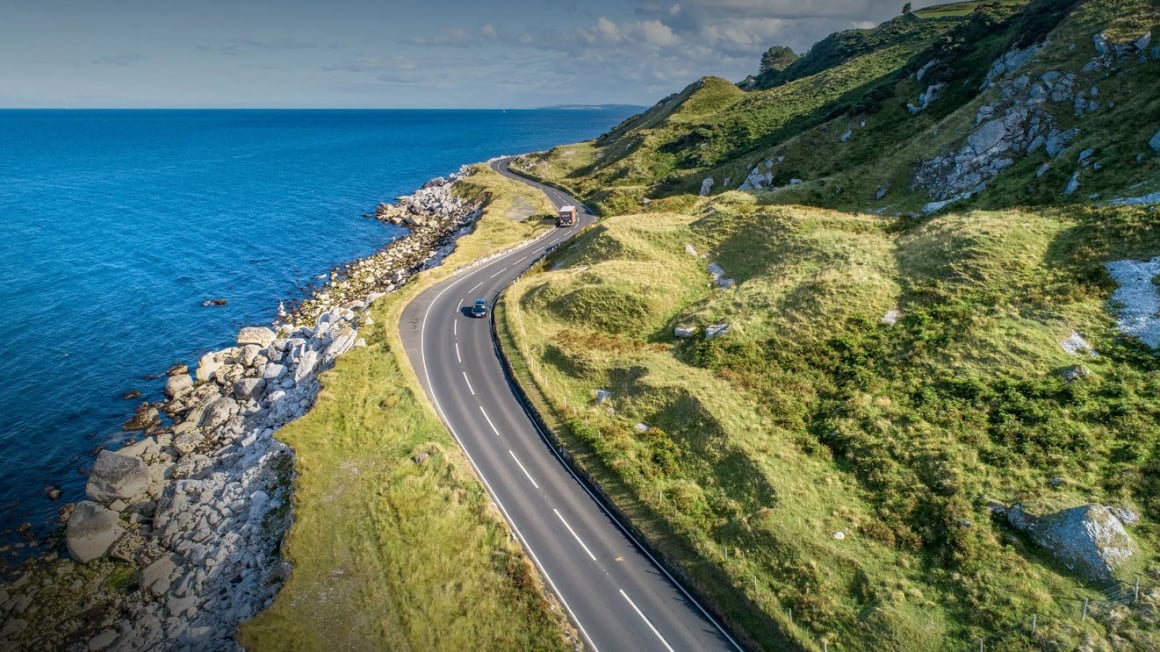
The cinematic drama of Northern Ireland’s Causeway Coastal Route, with its basalt columns, clifftop paths, and cultural landmarks, is a must-see for any visitor to the island. While it feels a world away, it is remarkably accessible from Dublin with a well-planned drive that leverages the capital’s key infrastructure. The journey begins, as always, with mastering the M50 toll. This initial step is crucial for a stress-free departure from the greater Dublin area, setting you on the optimal northbound trajectory towards adventure and world-famous geology.
After successfully navigating the M50 toll Irish system, your route is direct: join the M1 motorway heading north towards Belfast. This is a major, well-maintained motorway that crosses the border seamlessly (no stops or checks for tourism purposes). The drive to Belfast takes roughly 1.5 to 2 hours, making it a comfortable morning’s journey. Consider a brief stop in Belfast itself to visit the Titanic Quarter or the storied streets, or bypass the city using its ring road to continue your quest for coastal scenery, following signs for the A2 towards the Antrim Coast.
The moment you leave the urban sprawl behind and the road begins to hug the County Antrim coastline, you know you’ve arrived on the Causeway Coastal Route. Your first iconic stop could be the Carrick-a-Rede Rope Bridge. Suspended almost 100 feet above the churning Atlantic sea, this bridge links the mainland to the tiny island of Carrick-a-Rede. Crossing it is a thrilling experience, offering unparalleled views and a tangible sense of adventure that connects you to the area’s fishing heritage, where salmon fishermen first erected bridges like this one.
Further along the coast lies the crown jewel: the Giant’s Causeway. This UNESCO World Heritage Site, with its approximately 40,000 interlocking basalt columns, is a spectacle of natural geometry. Legend attributes it to the giant Finn McCool, but science reveals it as the result of ancient volcanic activity. Walking on the columns, hearing the waves crash against this natural staircase, is a truly awe-inspiring experience. The state-of-the-art visitor centre provides excellent context, but the power of the place is best felt by simply being there, contemplating the forces that shaped it.
The route is dotted with other treasures not to be missed. The haunting ruin of Dunluce Castle, perched precariously on a cliff edge, looks like something from a fantasy epic. The charming seaside villages of Ballintoy and Portrush offer perfect spots for a seafood lunch or a relaxing break. For fans of popular culture, a detour to the Dark Hedges—the atmospheric beech tree tunnel used as the King’s Road in Game of Thrones—is easily incorporated, showcasing the diverse appeal of this compact yet stunning region.
The return journey to Dublin allows you to reflect on the day’s wonders. Rejoining the M1 and heading south, you’ll appreciate the seamless connectivity that made this cross-border trip so straightforward. As you approach Dublin and see the signs for the M50, you’ll understand its role as the great unifier in Irish road tripping. Paying the M50 toll on your return is a small final step, a reminder that this engineering marvel is what connected you, within a single day, from a vibrant capital city to the mythic, rugged edge of the ancient Atlantic coastline.